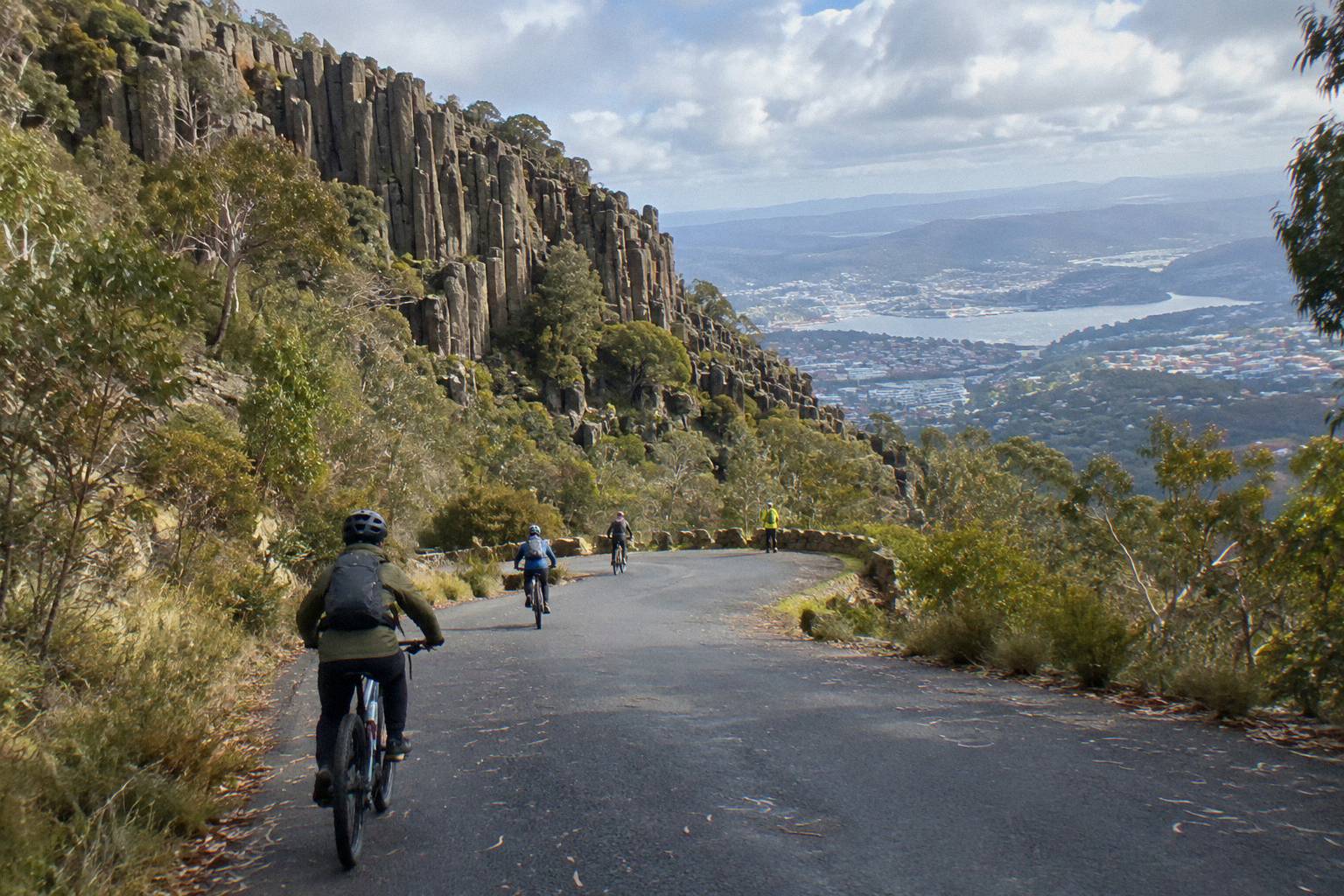
Downhill Bike Rides From The Summit: What The Descent Is Like
One guided tour covers the classic Mount Wellington bike ride: a minibus to the top, a 6 km descent of the summit road, then a rainforest trail. Here is exactly how it works, who can ride it, and what your other options are.
Short answer
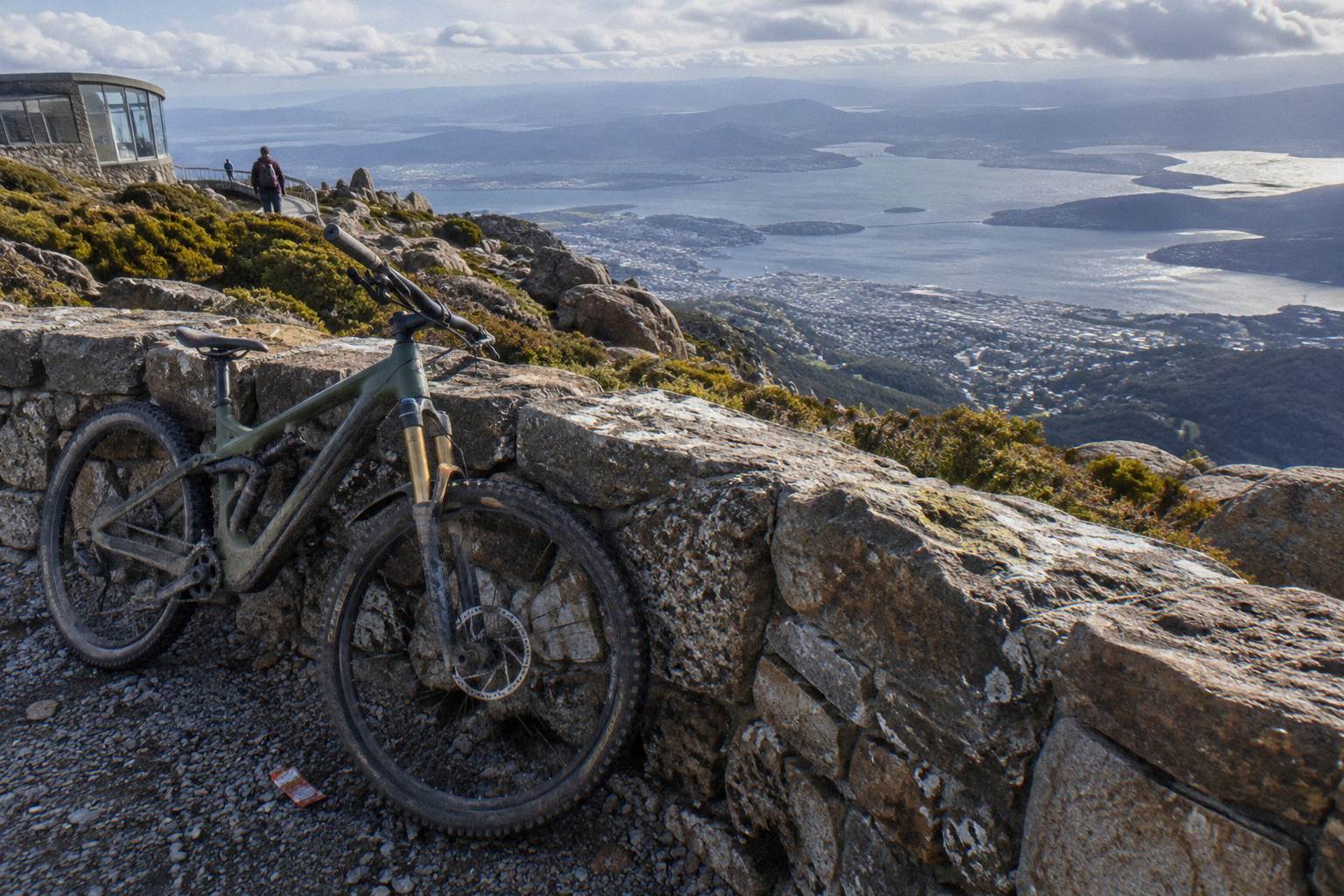
The guided Summit Descent Bike Tour runs from A$179 per person, takes about 4 hours, and is limited to 10 riders. A minibus carries you to the summit, you ride a 6 km descent of the summit road, then a 12 km rainforest trail, with guides riding alongside. Bike, helmet and gloves are included.
A mountain bike ride down from 1,270 metres sounds like the whole point of visiting Hobart for a lot of travellers, and it is one of the few ways to see the mountain that involves actual momentum. The reality is more structured than most people expect: the only guided descent is a small-group trip run by Tasmanian Mountain Bike Adventures, it starts at a shop in South Hobart rather than at the summit, and the first thing that happens is a 30-minute ride up in a minibus. The bike part is 6 km down the sealed summit road, then a second bus transfer to a rainforest trail for a 12 km ride with a guide. Below is exactly what the trip includes, who it suits, the height and weight rules (including a discrepancy between the two booking pages you should know about before booking), and the other ways to get a bike onto the mountain if a guided descent is not what you are after.
What Does A Summit Bike Descent Actually Involve?
The descent is a guided, two-part ride: a minibus carries the group to the summit, everyone rides 6 km down the sealed summit road, then a second 15-minute bus transfer takes the group to a rainforest trail for a 12 km guided ride. The whole outing runs about 4 hours from the meeting point at 466 Macquarie Street in South Hobart, and the group is capped at 10 riders. Bikes, helmets and riding gloves are all provided, and the guides ride with the guests rather than leading from a vehicle. Food and drink are not included.
The word "descent" does a lot of work in the marketing, and it is worth being precise about what you are actually buying. This is not a lift-served bike park day and it is not a self-guided rental. It is a guided tour with two riding sections joined by bus transfers, built so that riders of modest experience can take part. The tour listing asks only for basic bike handling skills and a basic fitness level, though one of the two booking pages words the fitness requirement as moderate-to-basic, which is a little firmer.
The 6 km figure matters because it belongs to this one listing. No other operator offers a stated descent distance, so if you see a Mount Wellington bike ride described elsewhere with different numbers, those numbers belong to that description and not to this trip. Treat any distance, elevation or speed claim outside the booking page facts above with caution, because the park authority publishes none of them for commercial rides.
How The Guided Summit Descent Bike Tour Works
A guide leads groups of no more than 10 riders on a descent from the summit by bike. Riders meet at the operator's shop at 466 Macquarie Street in South Hobart, the tour runs approximately 4 hours, and it costs from A$179 per person. A 30-minute minibus transfer takes the group to the summit of kunanyi / Mount Wellington for the 6 km road descent, and a further 15-minute transfer follows to the rainforest trail for the 12 km section. The price includes the mountain bike, helmet, gloves, the trail briefing and both transfers. Free cancellation applies up to 24 hours before the start.
Australian dollars are the currency throughout, and the from-price is per person. Food and drink are the main things you will want to bring yourself, since nothing edible is included and there is no cafe at the summit, only Lost Freight Cafe back down at The Springs, which is a shipping-container cafe open seven days year-round except 25 and 26 December, with hours that vary.
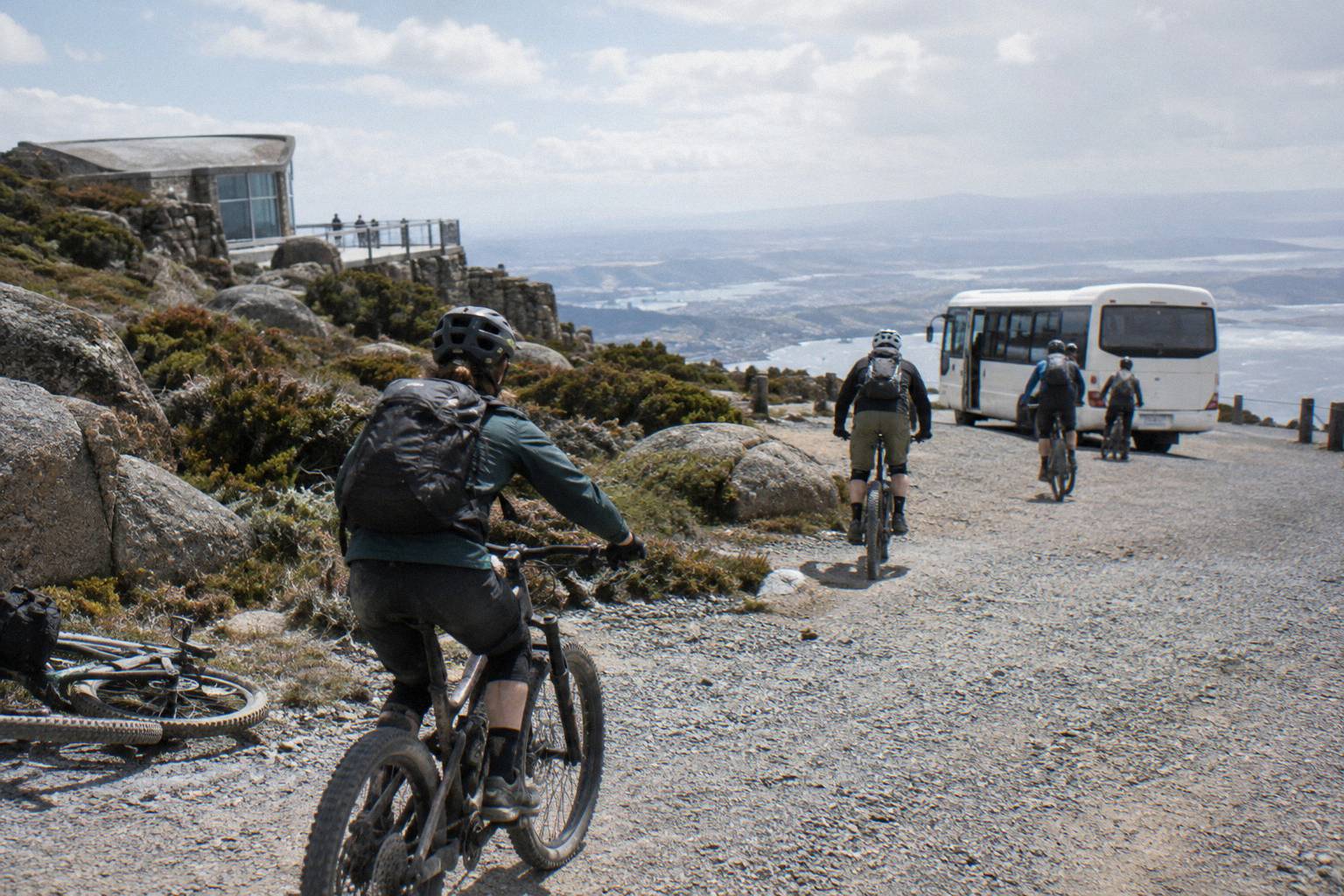
Here is the full shape of the day in one view:
| Stage | What happens | Time allowance |
|---|---|---|
| Meet | Check in at the shop, 466 Macquarie St, South Hobart | Before departure |
| Transfer up | Minibus to the summit (about 1,270 m per the booking page) | 30 minutes |
| Ride 1 | Guided descent of the summit road | 6 km |
| Transfer 2 | Minibus to the rainforest trail | 15 minutes |
| Ride 2 | Guided rainforest trail ride | 12 km |
| Finish | Back at the South Hobart shop | About 4 hours total |
The guides ride with the guests on both sections, which is the practical difference between this and simply renting a bike. A trail briefing and bike introduction happen before anyone rolls out, so complete newcomers to mountain biking are not thrown onto a road with traffic and a guardrail-free shoulder and left to work it out. You can read more about the trip on the full summit descent tour page, and check availability there once you have a date in mind.
If you are weighing this against gentler ways to see the summit, these three formats cover the spread of options: the guided bike descent itself, the bus ride up that lets you walk or ride down at your own pace, and a guided nature walk for the days the weather argues against two wheels.
Can You Ride Down The Mountain Without A Guide?
Yes, but only if you get yourself and a bike up there first, and the realistic route is the Explorer Bus One-Way Pass, from A$35 per person, a 50-minute ride from Brooke Street Pier to the summit. The bus carries up to 27 passengers, departs from Brooke Street Pier at 12 Franklin Wharf, and hotel pickup and drop-off are not included. Bikes can be carried for a separate per-bike fee, with strict loading conditions: no more than four mountain bikes per departure, loaded at Brooke Street Pier at least 20 minutes before departure, and booked in advance.
The one-way pass exists precisely for people who want to travel up by bus and come down under their own power, whether that is on foot or on a bike. It includes access to Wellington Park and the summit, a Wellington Park bushwalking map, onboard commentary and free Wi-Fi. It is a ticket on the same Explorer Bus service as the return pass, just a shorter version of it, and Red Decker Company runs both.
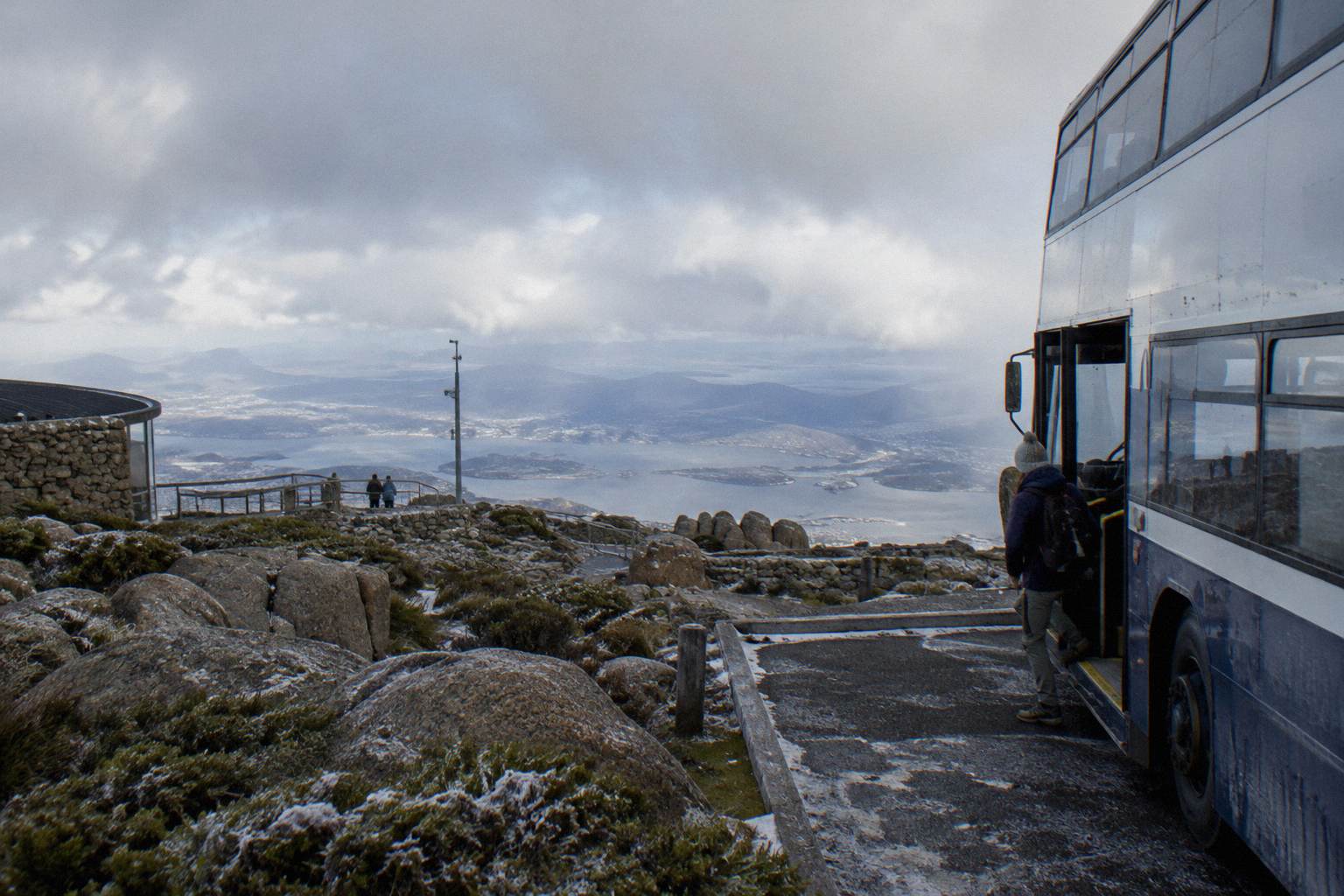
The catch is the road itself. Pinnacle Road is the only public road into the park, and it is sealed but narrow, winding and shared with buses, pedestrians and cars, so riding down it unsupervised is a decision to make with your eyes open, particularly on a weekend. The park authority is blunt that parking and road space are limited and that traffic management kicks in on snow days. One planning question worth settling early is whether you can bike down one way using the bus for the climb, and the answer there is yes, subject to the bike-carriage conditions above.
Before you commit to any version of this, the reassurance worth having: every trip here carries free cancellation up to 24 hours before the start, and many travellers book with pay-later options where offered, so locking in a day early costs you flexibility rather than money.
Where Are Bikes Allowed In Wellington Park?
In Wellington Park, bikes are permitted only on formed roads, fire trails and the specifically listed tracks, so cyclists must stick to those designated routes at all times. Walking-only tracks remain off limits to riders, and anyone caught cycling on them can be fined, so always confirm which tracks are open to bikes before you set out. The North South Track is rated Blue Square, intermediate, for bikes and Moderate for walkers, and it runs toward the Glenorchy MTB Park at its northern end. The Pipeline Track is a wide multi-use track shared by walkers, runners and bikes, but repair works between Neika and the Northwest Bay Weir have brought temporary weekday closures, 7am to 5pm, so never plan on it being fully open. These rules come from the Wellington Park Management Trust, which licenses all commercial operators in the park.
This is the part of a Mount Wellington bike ride that self-guided riders most often get wrong. The park is not a free-for-all of single track: it is a managed reserve of 18,011 hectares with a licensing system for commercial operators, client-to-guide ratios for licensed tours, and a straight ban on riding where bikes are not listed as permitted. A fine is a bad souvenir. The Trust's own riding rules page spells this out, and it is worth a read before you plan any self-guided loop: the park's bike riding rules.
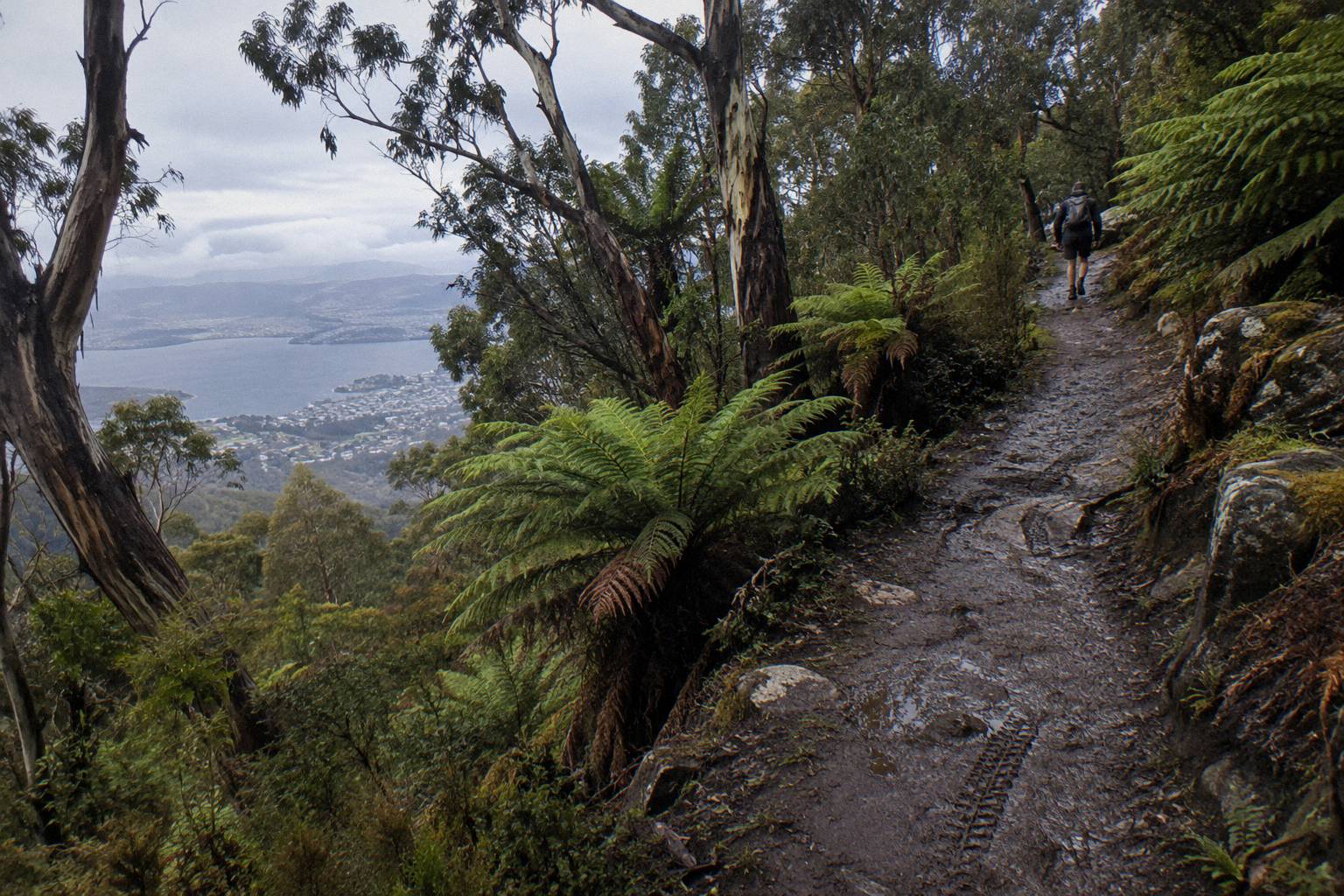
A few other park rules shape a riding day. The park closes to all users on Extreme or Catastrophic fire danger days. Drones need a permit. Overnight campervans are not allowed, dogs must be on lead on approved tracks only, and single-use plastic is banned. Abseiling and climbing are prohibited at the Springs Lookout, which matters if your ride plan included stopping there to play on the rocks.
If two wheels start sounding like the wrong vehicle altogether, the same mountain in walking shoes is its own trip: Island of Tasmania Tours runs a morning guided walking tour from A$85 per person that covers an easy guided nature walk with a university-trained local guide, about 4 hours, minimum age 8, with a group capped at 10.
Who Can Ride The Guided Descent: Height, Weight And Age
The listing excludes riders over 120 kg and states a basic handling skill and basic fitness requirement, but the two booking pages disagree on minimum height: one excludes riders under 120 cm, the other states a minimum of 125 cm. Narrated plainly, that is a genuine conflict in the published facts, and the only safe advice is to confirm your rider's height with the operator before booking if they fall between those two figures. No operator minimum age is published, so ask about age limits at the same time.
The weight limit of 120 kg is consistent across the pages and reflects the equipment, a mountain bike and its brakes can only be built to carry so much. The fitness wording is where the two pages diverge slightly as well: basic fitness on one, moderate-to-basic on the other. Neither suggests you need to be a regular rider, but both suggest you should be comfortable on a bike and able to keep moving for a 4-hour outing with two riding sections.
| Requirement | What the listing says | Notes |
|---|---|---|
| Maximum rider weight | 120 kg | Consistent across the booking pages |
| Minimum height | 120 cm on one page, 125 cm on the other | A conflict between the two pages: confirm with the operator |
| Skills | Basic bike handling | Both pages agree on this |
| Fitness | Basic on one page, moderate-to-basic on the other | The firmer wording implies you should be realistic about your legs |
| Minimum age | No figure published | Ask the operator when booking |
| Group size | Up to 10 riders | Small group throughout |
One further wrinkle from the wider record: a third-party page about the operator suggests riders may skip the road descent section and ride the bus instead, which would make the trip viable for a nervous rider in a mixed group, and a self-guided variant of the same operator's tour appears on the booking page with no price printed here. Neither of those is a promise, and the confirmable facts are the ones in the table above.
What The Weather And The Road Mean For Your Ride
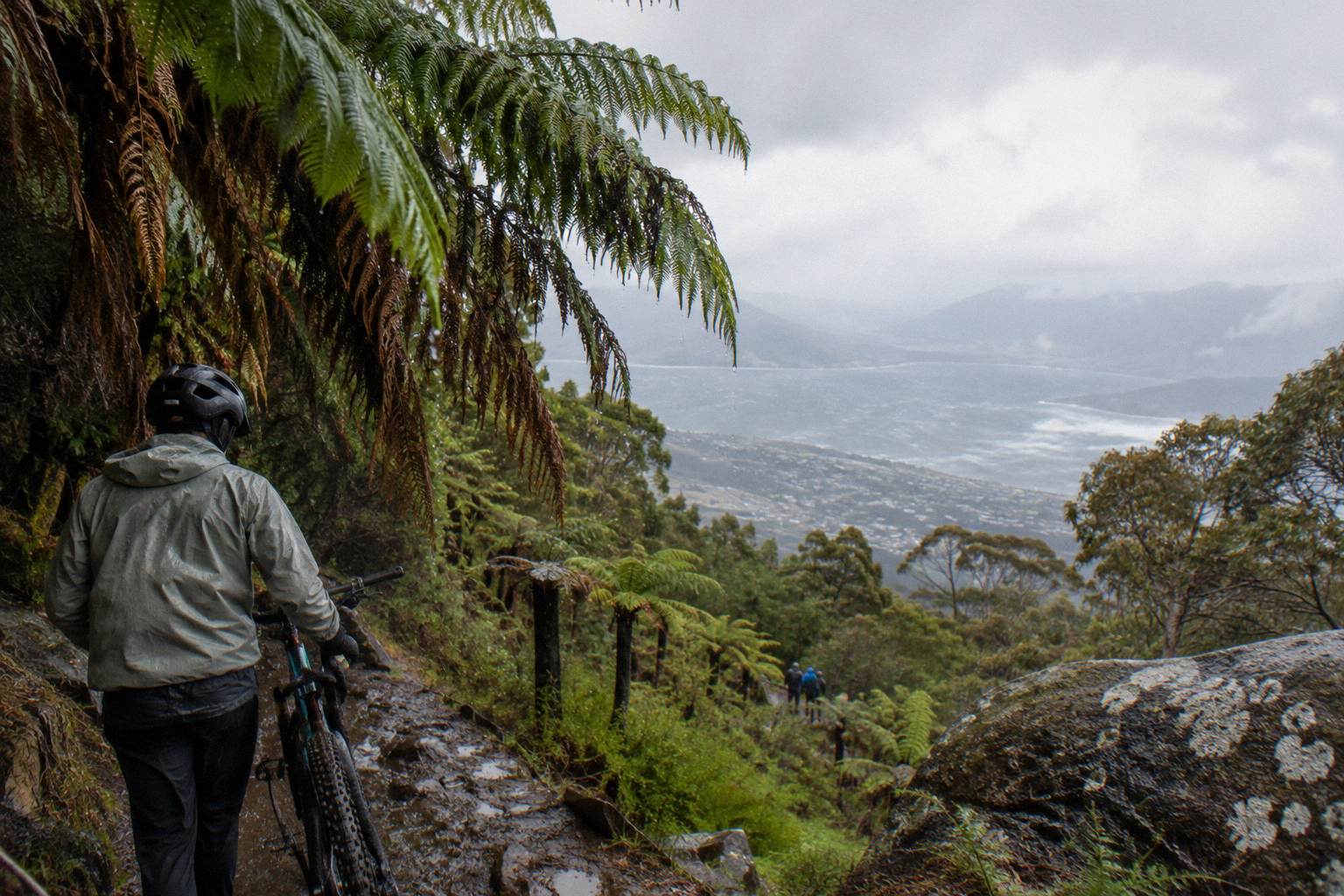
Your ride runs down Pinnacle Road, and that road is far from reliably open: snow or ice closed it on 95 nights in 2025-26, and it closes entirely for annual maintenance every November, so no booking should assume the road, or your descent, will be available. When the road is closed by snow, the Trust describes the Explorer Bus as the only licensed operator able to take visitors up beyond the closed gates, which is why bus operators hold a special status on snow days that a bike tour cannot match. Before any ride day, check the City of Hobart Pinnacle Road status page or call the Pinnacle Road Information Line on 03 6238 2711, the number the Trust publishes.
The closure numbers give a feel for the odds without promising anything. August was the worst month with 22 nights closed, October 19, and July and September 18 each. Overnight closures ran past 9.30am on 46 days. On 14 days the summit was not reachable by private vehicle at all, though vehicle access to The Springs was possible on all but one closure day. The record day was 6 September, with 1,906 vehicles counted after heavy snow, which tells you something about how crowded the road gets when it does open.
Cold is the other factor. The Trust warns that high winds and temperatures below zero are common at the summit, that the gap between the Hobart waterfront and The Pinnacle can be 12 degrees or more, and that wind chill below minus 20 is possible. Snow can fall in any month, more likely overnight from May to September. None of that cancels a bike ride automatically, but it changes what you wear, and it is why the what to wear on a summit tour guide is worth reading before you pack. For a fuller picture of how closures interact with booked trips, see Pinnacle Road closures and your tour.
The Bureau of Meteorology runs a live station at the summit, and it is the direct source for conditions on the morning itself, with one quirk: wind and feels-like readings can drop out when ice builds up on the instruments. Check it at the Kunanyi / Mount Wellington weather station.
Is The Guided Descent Safe For A Beginner?
Yes, the guided descent is written for beginners. The listing asks only for basic bike handling and basic fitness, guides ride with the guests, and a trail briefing and a bike introduction come before the first pedal stroke, which means a first-timer is briefed, introduced to the bike, and accompanied on the trail. That said, the ride includes 6 km down a sealed public road shared with cars and buses, plus a 12 km rainforest trail, so "beginner-friendly" here means comfortable-on-a-bike, not never-ridden. Riders who are genuinely new to cycling should weigh the two riding sections realistically against their experience, and the possible option of skipping the road section and riding the bus instead is worth raising with the operator directly.
Guides riding with guests is the structural safety feature. You are not pointed downhill and abandoned; you are briefed, equipped with a helmet and gloves, and accompanied through both sections by people who know the road and the trail. The small group of up to 10 keeps the guide-to-rider ratio workable, and the Trust's licensing system applies client-to-guide ratios to commercial operators in the park.
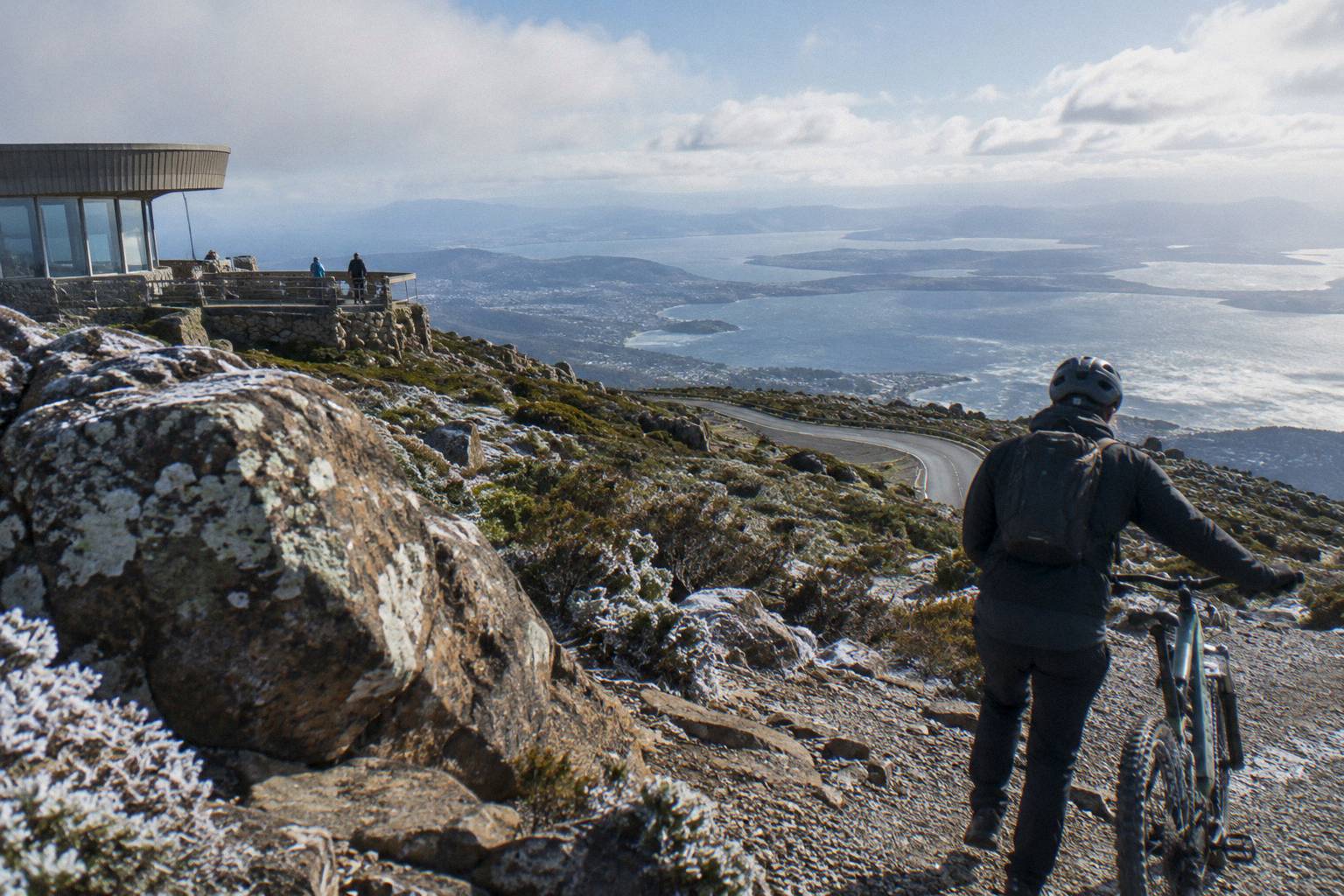
The plain answer on road safety is that the risk is traffic and speed management, not technical trail difficulty, on the road section, and the reverse on the rainforest section, where the surface and the corners are the challenge and the cars are not. We go into the beginner question in more detail in are downhill bike tours safe for beginners, which is worth five minutes if this is your first guided ride.
| Concern | What the facts say |
|---|---|
| Road section | 6 km on the sealed summit road, shared with other users |
| Trail section | 12 km rainforest trail with guides riding along |
| Equipment | Mountain bike, helmet and gloves all included |
| Briefing | Trail briefing and bike introduction before riding |
| Group size | Up to 10 riders |
| Cancellation | Free up to 24 hours before the start |
Booking, Prices And Cancellation
The Summit Descent Bike Tour costs from A$179 per person for about 4 hours, the Explorer Bus One-Way Pass from A$35 per person, and the Morning Guided Walking Tour from A$85 per person, all with free cancellation up to 24 hours before the start. Those are from-prices per person and the only printable figures; the operator's direct fares and any child, concession or bike-carriage fees sit on the live listings and may differ, so treat the listing as the price of record when you book.
Booking ahead is the pattern on this mountain generally. The Explorer Bus asks for pre-booking outright, with bikes needing to be arranged no less than 30 minutes before departure on the one-way pass, and bike slots are capped at four per departure, which is the kind of limit that fills first on a clear summer Saturday. The bike tour's group of 10 has the same property: small groups on a seasonal mountain fill around weekends and school holidays.
| Trip | From price per person | Duration | Best for |
|---|---|---|---|
| Summit Descent Bike Tour | A$179 | 4 hours | Riding the road and a rainforest trail with a guide |
| Explorer Bus One-Way Pass | A$35 | 50 minutes up | Going up by bus to walk or ride down yourself |
| Morning Guided Walking Tour | A$85 | 4 hours | Seeing the mountain slowly, on foot, with a guide |
Cancelling inside 24 hours of the start is where the free window closes on every trip here, so if a forecast turns nasty the day before, that is still within the free period, and rebooking costs you nothing but time. The Summit And City Sightseeing Combo Ticket and the other Hobart Shuttle Bus Company variants do not carry bikes as a stated inclusion, so do not plan a bike descent around them; the Explorer Bus family of tickets is the one with a stated bike-carriage facility, and the guide to the Explorer Bus covers the whole service, its stops and its seasonal timetable.
One last planning fact that surprises people: Tasmanian public transport, including the Metro buses to Fern Tree, is free as a temporary measure, though those routes stop at Fern Tree and never reach the summit, so free travel gets you to the mountain's edge, not its top.
Common Questions About Summit Bike Rides
How Long Is The Mount Wellington Bike Ride Descent?
The guided Summit Descent Bike Tour runs about 4 hours in total. Within that, the road descent is 6 km and the rainforest trail ride is 12 km, joined by a 30-minute bus transfer up and a 15-minute transfer between the two riding sections.
Do I Need To Bring My Own Bike?
No. The tour includes a mountain bike, a cycling helmet and riding gloves, plus a trail briefing and bike introduction before you ride. You bring food, drink and clothing suitable for summit weather.
Is There A Height Or Weight Limit?
The maximum rider weight is 120 kg. On height, the two booking pages conflict: one excludes riders under 120 cm, the other states a minimum of 125 cm. If a rider in your group falls between those figures, confirm with the operator before booking.
Can I Take My Own Bike Up On The Bus?
Yes, the Explorer Bus carries up to 4 mountain bikes per departure for a separate per-bike fee, loaded at Brooke Street Pier at least 20 minutes before departure and booked in advance. On the One-Way Pass, bike freight must be arranged no less than 30 minutes before departure.
What Happens If The Road Closes On My Tour Day?
Pinnacle Road closes for snow, ice and annual maintenance each November, and tours cannot run the road descent while it is shut. All three trips here carry free cancellation up to 24 hours before the start, and the Pinnacle Road Information Line on 03 6238 2711 carries the current status.
Is The Descent Suitable For Someone Who Has Not Ridden In Years?
The listing asks only for basic bike handling and a basic fitness level, and guides ride with the guests. The road section is on a sealed public road shared with traffic, so a realistic self-assessment matters, and a third-party page suggests riders may skip the road descent and ride the bus: raise that with the operator when booking.